Supermoon Alert! Biggest & Brightest This November
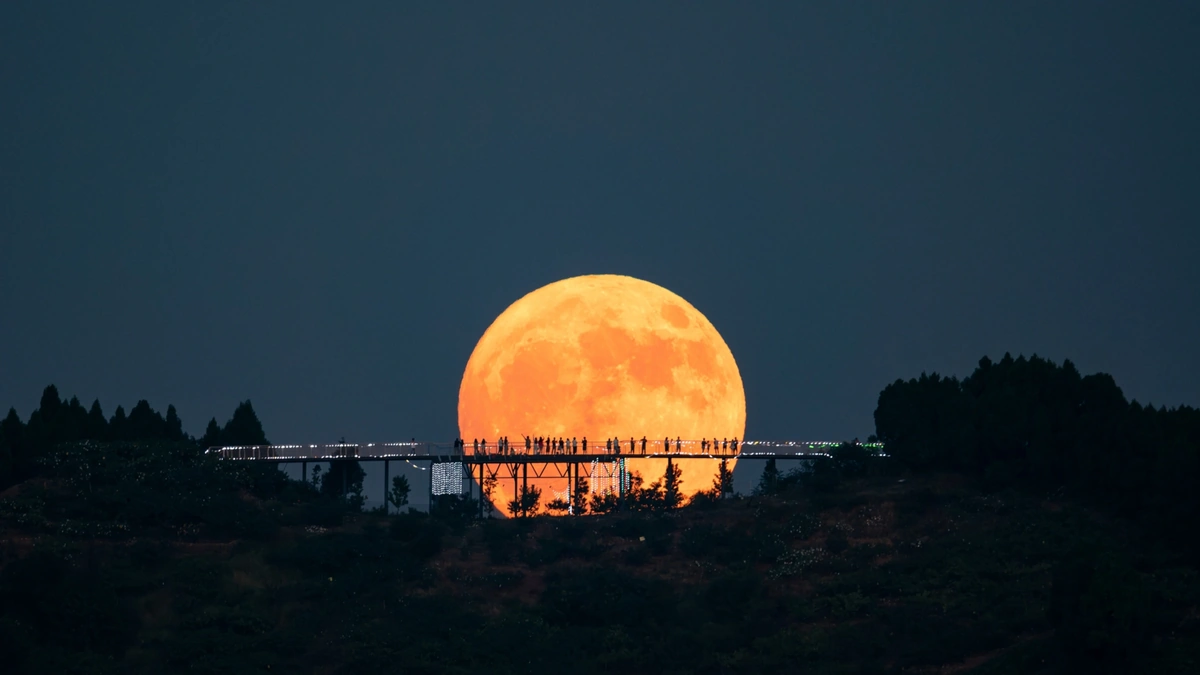
Alright, stargazers, listen up! We’re about to witness something truly spectacular: the largest, brightest Supermoon of the year. And I know what you’re thinking: “Okay, another supermoon . What’s the big deal?” But trust me, this one’s different. This isn’t just about a slightly bigger, slightly brighter moon. It’s about connecting with something ancient, something primal, something that has captivated humanity for millennia.
Here’s the thing: in our hyper-connected, always-on world, we often lose sight of the simple wonders around us. We’re so busy staring at screens that we forget to look up. This supermoon is an invitation – a cosmic nudge, if you will – to pause, breathe, and marvel at the beauty of the universe. And believe me, you don’t want to miss out on this experience.
Why This Supermoon Matters (More Than You Think)
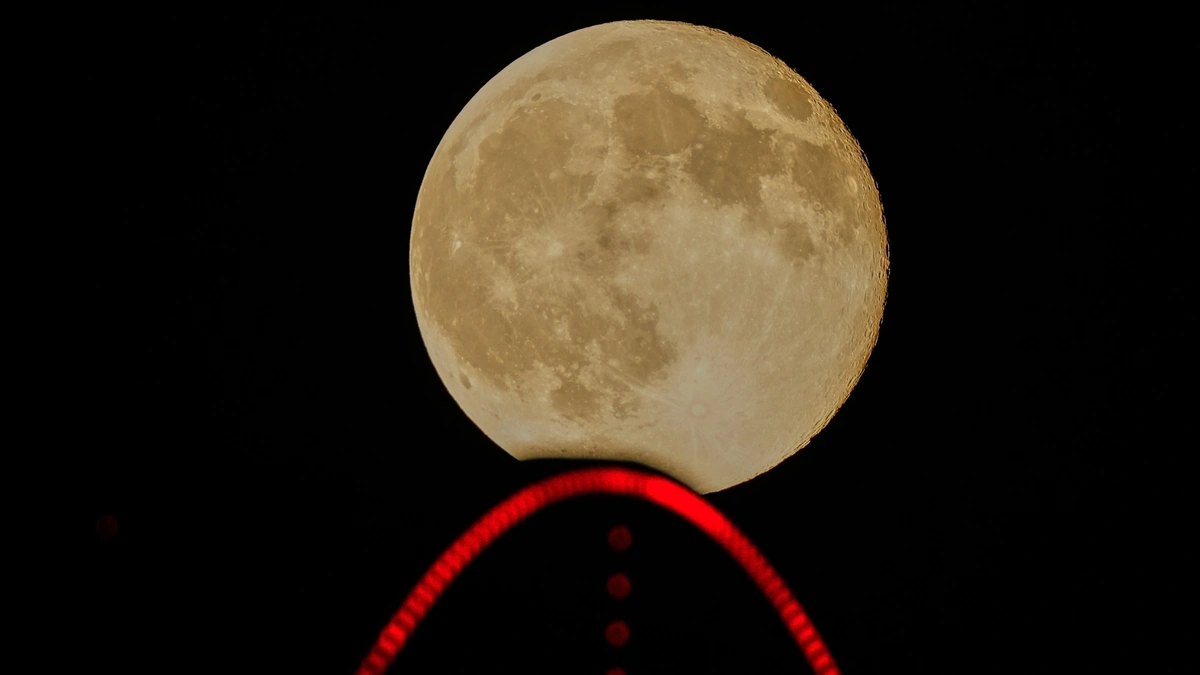
So, let’s dive into the ‘why’ behind this celestial event. It’s not just a pretty sight (although it definitely is that!). It’s a chance to understand the dance of the cosmos and our place within it. What fascinates me is how something so predictable, so regular, can still evoke such a sense of wonder.
Technically speaking, a supermoon occurs when the moon is both full and at its closest point to Earth in its orbit (called perigee). This makes it appear larger and brighter than a typical full moon. But the real magic lies in the feeling it evokes. Our ancestors relied on the moon for navigation, agriculture, and even predicting tides. That deep connection is still embedded within us. Seeing a supermoon is like tapping into that ancient wisdom.
But beyond the historical and scientific significance, this supermoon offers a moment of collective experience. All over the world, people will be looking up at the same sky, sharing the same awe. In a world often divided, these shared moments of wonder are priceless. So, grab your family, your friends, or even just a blanket and head outside. You won’t regret it.
How to Make the Most of the Supermoon Viewing
Okay, you’re convinced. You want to see this supermoon in all its glory. But how do you actually do it? It’s not rocket science, but a little preparation can go a long way. Here’s what I’ve learned over the years, from less-than-stellar moon gazing attempts to moments of pure celestial bliss.
First, find a dark spot. City lights are the enemy of stargazing. The farther you get from urban areas, the better your view will be. Parks, fields, or even just a quiet street away from streetlights can make a huge difference. A common mistake I see people make is not allowing their eyes to adjust to the darkness. Give yourself at least 20 minutes in the dark to allow your pupils to dilate and your night vision to kick in.
Next, check the weather forecast. Clear skies are essential, obviously. But even a slight haze can diminish the moon’s brilliance. If the forecast looks promising, plan ahead. Pack a blanket, some snacks, and maybe a thermos of tea. Make it an event! I initially thought this was straightforward, but then I realized the importance of comfort. You’re more likely to appreciate the supermoon if you’re not shivering in the cold.
Finally, consider using binoculars or a telescope. While the supermoon is impressive with the naked eye, these tools can reveal even more detail – craters, lunar maria, and subtle variations in brightness. Don’t have your own? Check out local astronomy clubs or observatories. They often host public viewing events during celestial events like this. You can even look into the effects of Saturn’s moon on how it effects other moon visibility.
The Emotional Pull | Why We’re Drawn to the Moon
Let’s be honest: there’s something deeply emotional about gazing at the moon. It’s not just about science or history. It’s about feeling connected to something bigger than ourselves. It’s about tapping into a sense of wonder that’s often buried beneath the daily grind.
I remember one particular supermoon night a few years ago. I was going through a tough time, feeling lost and disconnected. I went for a walk in a nearby park, seeking solace in nature. And then I saw it: the supermoon , hanging like a giant pearl in the inky sky. For a moment, all my worries faded away. I felt a sense of peace and perspective that I hadn’t felt in months.
That’s the power of the moon. It reminds us that we’re part of a larger cosmic story. It reminds us that even in the darkest of times, there’s always light to be found. And it reminds us that we’re not alone. Millions of people throughout history have looked up at the same moon, felt the same awe, and drawn the same comfort. It’s a shared human experience that transcends time and culture. Don’t forget how inner calm can effect how you view the beauty of the moon as well.
Supermoon’s Influence on Tides and Marine Life
You might be wondering, how exactly does a supermoon affect our planet? Well, the most noticeable impact is on the tides. Because the moon is closer to Earth during a supermoon , its gravitational pull is stronger, leading to higher high tides and lower low tides – what we call spring tides. Coastal regions need to be particularly aware during these times, as the increased tidal range can exacerbate flooding, especially when combined with storm surges.
But it’s not just the tides; marine life also responds to the lunar cycle . Many species synchronize their reproductive behaviors with the full moon, and a supermoon can amplify these effects. For example, some corals release their eggs in mass spawning events timed with the full moon. Scientists believe this coordination increases the chances of fertilization.
The impact on nocturnal marine animals can also be significant. The brighter light of a supermoon can affect their hunting and navigation patterns. Some predators may find it easier to spot prey, while prey species may become more cautious and alter their behavior to avoid detection. Understanding these intricate connections underscores the moon’s pervasive influence on our planet’s ecosystems. As per NASA, studying these patterns helps us to better predict and manage coastal hazards and conserve marine biodiversity.
Capturing the Moment | Supermoon Photography Tips
Want to capture the beauty of the supermoon with your camera? Great idea! But it’s not as simple as pointing and shooting. Here are a few tips to help you take stunning photos. First, use a tripod. This will stabilize your camera and prevent blurry images, especially when shooting in low light.
Next, adjust your camera settings. Use a low ISO (around 100-400) to minimize noise, and a narrow aperture (around f/8 to f/11) to maximize sharpness. Experiment with different shutter speeds to find the right exposure. If you’re using a smartphone, try a night mode or pro mode to manually adjust these settings. What fascinates me is how technology allows us to capture and share these moments with others, creating a global community of stargazers.
Finally, think about composition. Don’t just photograph the moon by itself. Include foreground elements like trees, buildings, or mountains to add depth and context to your photos. This will make your images more visually interesting and tell a story. And remember, the best camera is the one you have with you. So, don’t be afraid to experiment and have fun!
FAQ About Supermoons
Frequently Asked Questions
What’s the best time to view the Supermoon?
The best time is usually right after moonrise or just before moonset, when the moon is closer to the horizon and appears larger due to an optical illusion. Check your local moonrise and moonset times!
How often do Supermoons occur?
Typically, we see several Supermoons each year, but their brightness and size can vary slightly depending on their proximity to Earth.
Does a Supermoon affect people’s moods?
There’s no scientific evidence to support the idea that Supermoons directly affect moods, although some people anecdotally report feeling more emotional or restless.
Can I see the Supermoon with the naked eye?
Absolutely! While binoculars or a telescope can enhance the view, the Supermoon is easily visible and impressive with the naked eye.
What if it’s cloudy on the night of the Supermoon?
If the weather doesn’t cooperate, don’t worry! You can always check online for live streams or photos of the Supermoon from other locations.
So, there you have it. The largest, brightest supermoon of the year is more than just a celestial event. It’s a chance to connect with the cosmos, with history, and with each other. It’s an invitation to pause, breathe, and marvel at the beauty of the universe. Don’t miss it.
About the Author